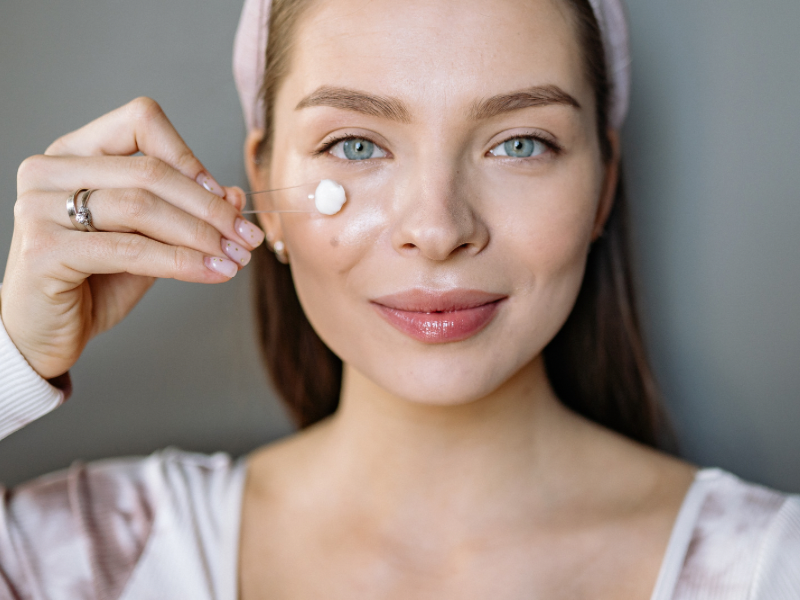

Walk into any pharmacy or beauty counter and you’ll find vitamin C plastered across serums, creams, and cleansers. It’s one of the most hyped ingredients in skincare — and unusually for the beauty world, the hype is backed by real science. But with so many products and so much conflicting advice, it can be hard to know what vitamin C actually does, whether your skin needs it, and how to use it without wasting your money.
This guide cuts through the noise with what the research actually shows.
What Is Vitamin C and Why Does Skin Need It?
Vitamin C (ascorbic acid) is a water-soluble antioxidant that your body cannot produce on its own — you have to get it through diet or apply it topically. Skin naturally contains vitamin C, where it plays several critical roles: neutralising free radicals from UV radiation and pollution, stimulating collagen production, and inhibiting the enzyme (tyrosinase) responsible for melanin overproduction.
The problem is that daily UV exposure, stress, and simply ageing all deplete the vitamin C stores in your skin. This leaves it more vulnerable to oxidative damage — the underlying driver of wrinkles, uneven tone, and dullness.
What Vitamin C Actually Does for Your Skin
When used consistently in a well-formulated product, topical vitamin C has been shown to do three things particularly well:
1. Brightens and evens skin tone. By blocking tyrosinase, vitamin C reduces the formation of dark spots and post-inflammatory hyperpigmentation (the marks left after spots or inflammation). It won’t bleach healthy skin — it selectively targets areas of excess melanin production.
2. Stimulates collagen synthesis. Vitamin C is an essential cofactor in the enzymatic processes that produce collagen — the structural protein that keeps skin firm. Studies have shown that topical vitamin C increases dermal collagen production, which translates to firmer, more elastic skin over time.
3. Protects against environmental damage. As an antioxidant, vitamin C neutralises the free radicals generated by UV exposure and air pollution before they can damage skin cells and accelerate ageing. Applied in the morning under SPF, it provides an additional layer of protection.
Which Form of Vitamin C Is Best?
Not all vitamin C is created equal. L-ascorbic acid is the most bioavailable and well-studied form, but it’s also the most unstable — it oxidises quickly when exposed to air and light, turning orange or brown. Once oxidised, it’s not just ineffective; it can actually generate free radicals rather than neutralise them.
For stability and skin absorption, high-quality vitamin C products use stabilised derivatives or encapsulation technology to keep the active ingredient effective until it penetrates the skin. This is one area where professional-grade formulations genuinely outperform drugstore alternatives — the difference in how the ingredient is stabilised and delivered is significant.
How to Use Vitamin C Correctly
Vitamin C works best applied in the morning, after cleansing and before moisturiser and SPF. This positions it where it can do the most work — reinforcing your SPF’s UV protection and neutralising environmental damage throughout the day.
If you have sensitive skin, start with a lower concentration (around 10%) and build up. Higher concentrations (15–20%) are more effective but can cause irritation if introduced too quickly. Apply to dry skin, allow it to absorb for a minute or two, then continue with your routine.
One common mistake: storing vitamin C products on a sunny windowsill. Keep them in a cool, dark place and replace them once they’ve changed colour.
Professional Treatments vs. At-Home Serums
A good daily vitamin C serum forms the foundation of long-term skin brightness and protection. But professional facials using high-concentration vitamin C can fast-track results — delivering the ingredient deeper into the skin than over-the-counter products can reach, and combining it with exfoliation and treatments tailored to your specific concerns.
At Leyabelle, our skin consultations assess exactly where your skin’s protective barrier stands and which concentration and formulation will work best for your skin type — taking the guesswork out of one of the most confusing areas of skincare.
The Bottom Line
Vitamin C deserves its reputation as a skincare essential. Used correctly and consistently, it brightens, protects, and builds collagen over time. The key is choosing a well-formulated product, using it at the right time in your routine, and storing it properly.
If you’re not sure where to start, or if you’ve tried vitamin C before and found it irritating or ineffective, book a skin consultation with us — we’ll help you find the right approach for your skin.