
What is lymphatic drainage massage?
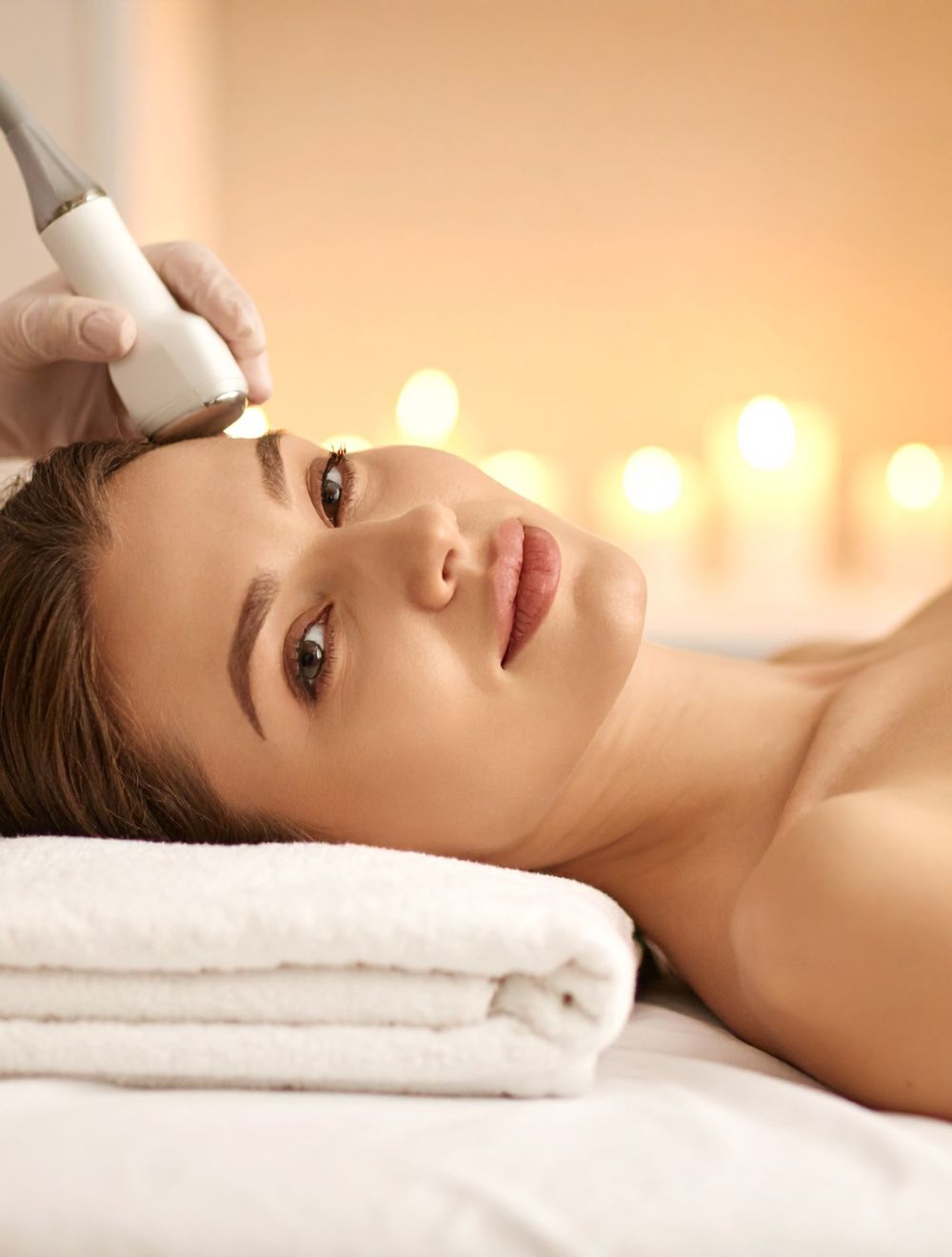
Lymphatic drainage massage (manual lymphatic drainage) is a gentle, rhythmic technique designed to support the lymphatic system. Because the lymphatic system helps move fluid through the body, it plays a big role in puffiness, swelling, and that “heavy” feeling many people get in the legs, arms, or abdomen.
Unlike blood circulation, lymph flow doesn’t have a strong pump like the heart. Instead, it relies on movement, breathing, hydration, and gentle stimulation. Therefore, when life is busy, when stress is high, or when the body is recovering, fluid can feel like it “hangs around” longer than you’d like.
What lymphatic drainage massage is not (important)
though lymphatic drainage is popular online, true manual lymphatic drainage is not the same as a strong “moulding” massage.
It is not:
- Deep tissue massage (deep tissue targets muscles and knots)
- A weight-loss treatment (it supports fluid movement, not fat loss)
- A treatment that should leave bruising or sharp pain
In other words, gentle does not mean ineffective. It means appropriate.

What does a lymphatic drainage session feel like?
Most clients describe the treatment as calming, light, and rhythmic. Even so, many people notice a difference in comfort afterwards, especially around areas that feel puffy or tight.
Additionally, some clients feel more relaxed and sleep better that night, because gentle bodywork can also support the nervous system.
Post-op lymphatic drainage in Barking: why it can matter
After surgery, swelling is normal. Your body is healing tissues, managing inflammation, and holding extra fluid as part of recovery. Because of that, you may feel tightness, pressure, or puffiness that doesn’t shift quickly on its own.
Post-op lymphatic drainage may help support:
Reduced swelling and puffiness
Less tightness and pressure in tissues
Improved comfort and easier movement
A smoother recovery experience when done at the right time
However, timing and technique matter. For that reason, post-op sessions should always be approached responsibly and adapted to your stage of healing. If you are unsure whether you are ready, follow your surgeon’s guidance first.
Helpful reading (external resource):
Swelling (oedema) overview:
https://www.nhs.uk/conditions/oedema/
https://leyabelle.co.uk/blog
Lymphatic drainage massage can be a good fit if you:
- Feel puffy or swollen regularly
- Experience heavy legs or fluid retention
- Feel bloated or “congested” in your body
- Sit for long hours or travel often
- Want gentle post-op support, with appropriate timing
When you should avoid booking (or ask first)
Please check with a medical professional first if you have:
- Fever, infection, or acute illness
- Suspected or confirmed blood clots (DVT)
- Uncontrolled heart conditions
- Kidney issues affecting fluid balance
- Unexplained swelling
If you’re unsure, it’s always better to ask before booking, so we can guide you safely.